
Immigration Lawyer for Thornhill, Vaughan and Markham
Thornhill is a community of long-settled immigrant families, and its immigration questions are often about the next stage of status: sponsoring a spouse, bringing parents for long visits, keeping permanent residence while life spans two countries, and becoming citizens. Inna Kogan’s firm advises Thornhill families in Russian, Hebrew, Farsi, Ukrainian and English.
Legally reviewed by Inna Kogan, BA, LL.B., MBA — licensed immigration lawyer, Law Society of Ontario · Last updated

Inna Kogan, a member of the Law Society of Ontario, advises Thornhill families by Zoom or by appointment at her Toronto office at 120 Eglinton Avenue East. The firm can help Thornhill residents with sponsoring a spouse, long visits by parents on a super visa, renewing PR cards and meeting the residency obligation, becoming citizens, and contesting refusals or delays in court. You can work with the firm in Russian, Hebrew, Farsi, Ukrainian or English.
One community, two cities
Thornhill is not a municipality of its own. The community straddles Yonge Street: the part west of Yonge is in the City of Vaughan, the part east of Yonge is in the City of Markham, and Steeles Avenue forms its southern edge with the City of Toronto. That split matters more than people expect. Your city hall, library system and many local services depend on which side of Yonge you live on, while your immigration file is handled federally by IRCC wherever you live.
The federal riding of Thornhill, which takes in parts of both cities, has a population of about 125,000. In the 2021 Census, 52.1% of its residents were immigrants, and only 21.6% of households rented their homes, a sign of how many families have been settled here for years. Russian was the most common mother tongue after English, followed by Mandarin and Iranian Persian, and the riding is home to a sizeable Hebrew-speaking community. Iran, China, Russia and Ukraine were each the birthplace of six per cent or more of the riding’s immigrants.
Sponsoring a spouse, partner or child
In a community of long-settled families, sponsorship is a natural next step for many households. A Canadian citizen or permanent resident can sponsor a spouse, a common-law or conjugal partner, and dependent children, and IRCC accepts these applications year-round. The officer’s central question is whether the relationship is genuine and was not entered into mainly to gain status. Where a couple met through family introductions, married abroad in a religious or civil ceremony, or spent long periods apart for work, study or service obligations, the application has to explain that history plainly and support it with documents.
We build the evidence around your actual story rather than a template, and we flag the issues that tend to trigger questions, such as a previous sponsorship, a short courtship or an age gap, so they are addressed in the application rather than discovered by the officer.
Parents and grandparents: the super visa route
For households hoping to bring parents or grandparents closer, it helps to know where each route stands. The Parents and Grandparents Program for permanent residence is currently paused: IRCC is not accepting new interest-to-sponsor forms or inviting new sponsors until further notice, though it continues to process existing applications.
The parent and grandparent super visa remains open. It allows parents and grandparents to stay for up to five years at a time, on a multiple-entry visa valid for up to ten years, provided the child or grandchild in Canada meets the income requirement and the visitor has qualifying medical insurance and completes an immigration medical exam. A super visa refused by a visa office abroad can be challenged by judicial review within 60 days, but often the better answer is a stronger, corrected application. We will tell you which applies to your refusal.
Keeping permanent residence when life spans two countries
Thornhill families often keep strong ties abroad: a business in Israel, ageing parents in Russia or Ukraine, property in Iran. That is entirely lawful, but every permanent resident must meet the residency obligation of at least 730 days of physical presence in Canada in each five-year period. Some time abroad can count, for example time spent accompanying a spouse or common-law partner who is a Canadian citizen, or working full time outside Canada for a Canadian business.
Problems usually surface at a border or when a PR card is renewed. An officer who decides the obligation has not been met can write a report, and a finding that you have lost status can be appealed to the Immigration Appeal Division within strict time limits, where humanitarian and compassionate factors can also be weighed. If you have spent long periods away, have your days reviewed before you travel or apply for a new card. Planning ahead is far easier than defending the numbers after a report.
Citizenship for settled Thornhill families
For many permanent residents here, the next step is citizenship. Adults generally need 1,095 days of physical presence in Canada in the five years before applying, tax returns filed for the required years, and, for those aged 18 to 54, proof of language ability and a passing knowledge test. Each day spent in Canada as a temporary resident or protected person before becoming a permanent resident can count as half a day, up to a maximum credit of 365 days.
Frequent travellers should count carefully. A short count can lead to a refusal, and an uncertain one can trigger a residency questionnaire that adds months to processing. We calculate the days, prepare the application, answer questionnaires, and challenge citizenship refusals or unreasonable delays at the Federal Court when that is warranted.
Common situations for Thornhill households
The details always differ, but a community with strong ties abroad and long-settled permanent residents tends to raise questions like these. They are general examples, not client cases:
- A permanent resident who spent several years abroad caring for a parent, whose PR card is about to expire, and who needs to know where they stand on the 730-day rule before booking a flight home
- A Canadian citizen who married abroad and wants to sponsor a spouse who is also raising children from an earlier relationship, which brings custody and consent documents into the application
- A grandparent whose super visa was refused because the medical insurance did not meet the requirements, and whose family wants to reapply correctly
- A citizenship applicant who received a residency questionnaire and has to rebuild five years of entries and exits from passports and travel records
Newer arrivals in Thornhill
Thornhill and the neighbouring parts of Vaughan and Markham have also welcomed newer arrivals since 2022, including Ukrainians who came on temporary status and are now looking for a lasting route. For them the priorities are keeping work or study permits valid, choosing a realistic pathway to permanent residence, such as Express Entry or an employer-supported nomination under Ontario’s Workforce Priority stream, and avoiding gaps in status. Inna Kogan works directly in Ukrainian and Russian.
For settlement support outside the legal process, such as language classes, job search help and orientation, York Region lists newcomer services and publishes its Newcomer Guide in several languages, including Persian and Ukrainian. Welcome Centre Immigrant Services also has locations in Vaughan, Richmond Hill and Markham.
Getting advice without leaving York Region
Thornhill residents can meet by Zoom, or book an appointment at 120 Eglinton Avenue East and combine it with a trip into the city. Viva Blue buses run along Yonge Street to Finch Station, and the Yonge North Subway Extension now under construction will eventually bring Line 1 to new stations including Royal Orchard in Thornhill, although Metrolinx has not yet set an opening date. To start, phone the office at +1 416-322-2914 or send the consultation form below.
Official sources
Government and court pages referenced on this page:
- Elections Canada: Thornhill electoral district profile
- IRCC: Parent and grandparent super visa
- IRCC: Sponsor your parents and grandparents (program status)
- Metrolinx: Yonge North Subway Extension
- York Region: Newcomer services
This page is general information, not legal advice. Rules and processing times change; for advice on your own situation, book a consultation with Inna Kogan.
Nearby areas we serve
- Immigration lawyer in Vaughan
- Immigration lawyer in Markham
- Immigration lawyer in Richmond Hill
- Immigration lawyer in Willowdale
- Immigration lawyer in Toronto
Questions about your file? Call +1 416-322-2914 or request a consultation.
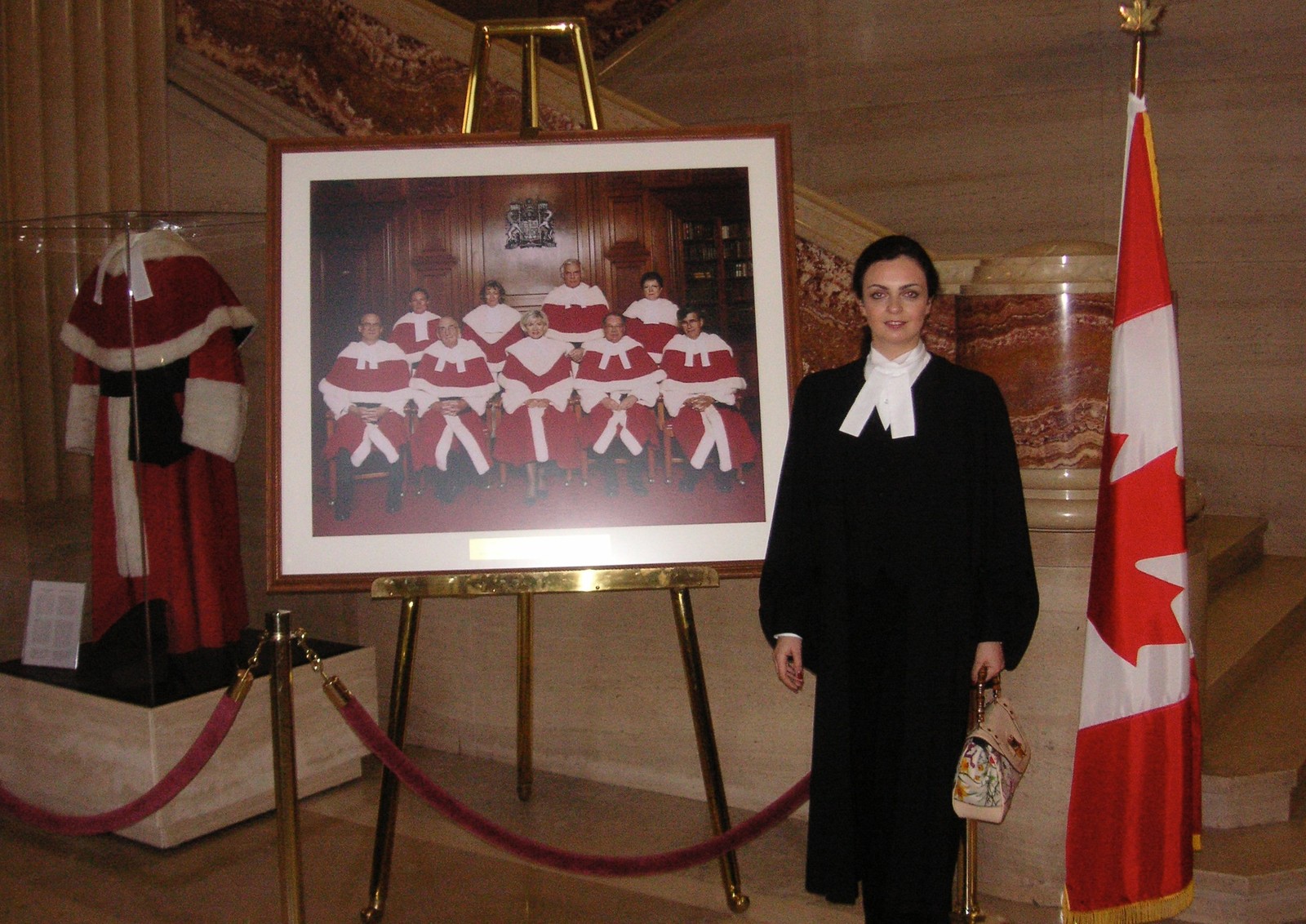
We go to court
A refusal is not always the end. Inna Kogan challenges unreasonable visa refusals and long delays at the Federal Court of Canada.
Appeal a refusal

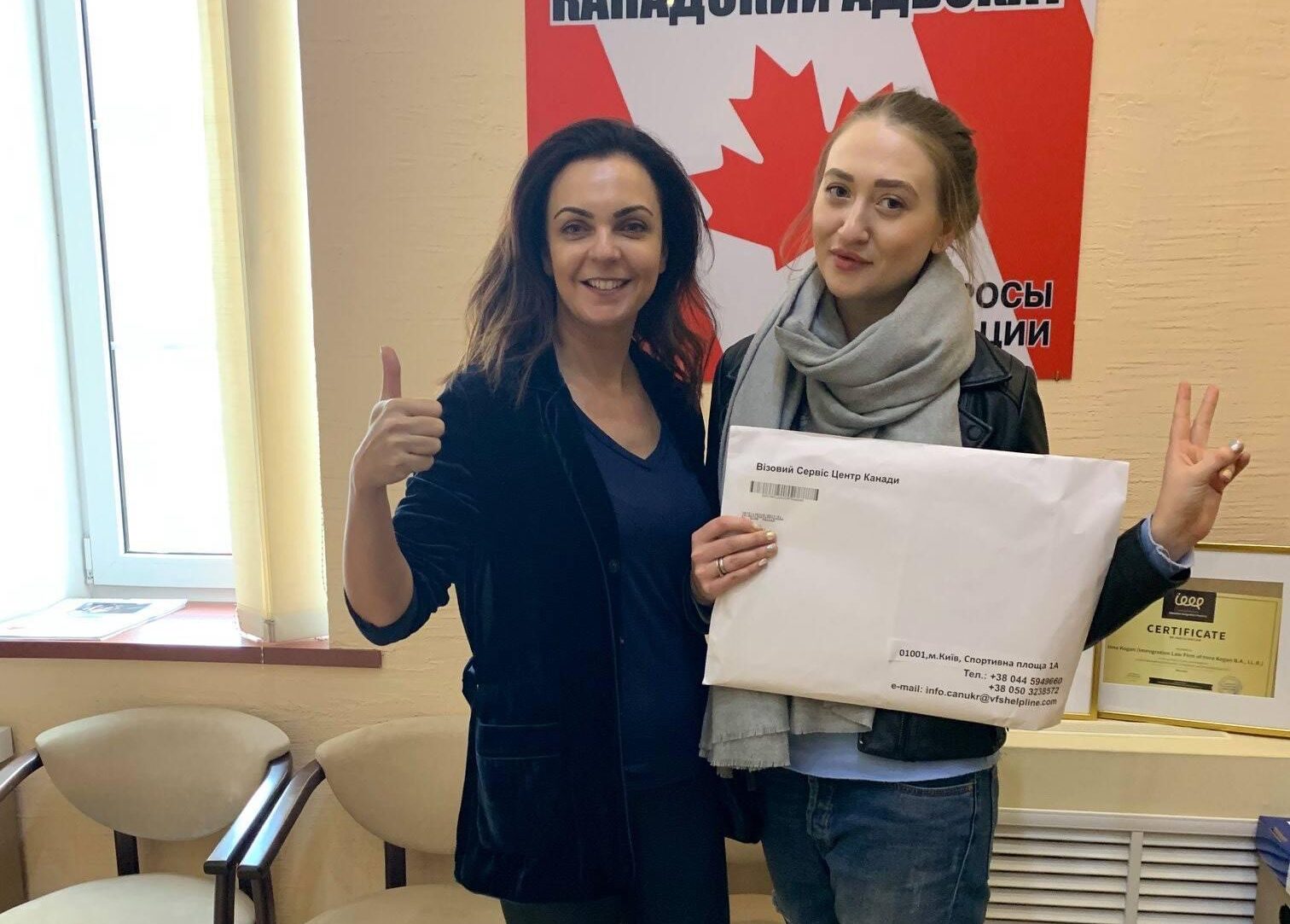
Three simple steps to your consultation
Request a consultation
Fill out the form on this page and leave your contact details.
Receive your questionnaire
I email you a short questionnaire — please check your spam folder too.
Confirm your Zoom
You receive an invitation to meet Inna online. Confirm it, and we begin.
Immigration lawyer for Thornhill: FAQs
Do you have an office in Thornhill?
The firm’s Toronto office is at 120 Eglinton Avenue East, Suite 1100. Consultations can be held by Zoom, and in-person meetings are available by appointment. Documents are exchanged securely, so routine steps do not require a trip.
Can I sponsor my parents to Canada right now?
IRCC has paused the Parents and Grandparents Program and is not accepting new interest-to-sponsor forms until further notice. The super visa is still available and allows visits of up to five years at a time. We can check the income requirement and prepare the application.
I have spent a lot of time outside Canada. Could I lose my PR status?
Permanent residents must be physically present in Canada for at least 730 days in every five-year period, with some exceptions, such as accompanying a Canadian-citizen spouse. If you may be short, get advice before travelling or renewing your PR card, because a report at the border is much harder to deal with afterwards.
Does time before I became a permanent resident count toward citizenship?
Partly. Each day you spent in Canada as a temporary resident or protected person in the five years before applying can count as half a day, up to a maximum credit of 365 days, toward the 1,095-day requirement.
Which languages can I use with your firm?
Thornhill clients can work with the firm in Russian, Hebrew, Farsi, Ukrainian or English. Inna Kogan works directly in Ukrainian and Russian, and the written submissions to IRCC are prepared in English.
Book a personal consultation with Inna
Leave your details and I will send you a questionnaire and a Zoom invitation.
Book a personal consultation with Inna
Leave your details and I will send you a questionnaire and a Zoom invitation.
Ready to move forward?
Book a personal consultation with Inna and get a clear, honest assessment of your case.
Book a Consultation